
In the kitchen
Good Tortillas,
Ready When You Are
Why fresh corn tortillas belong in your freezer—and how to enjoy them at their best.
A tortilla crackles in the hot skillet. Its edges turn golden, the cheese tucked inside begins to melt, and the aroma of toasted corn fills the kitchen. You slide it onto a plate. The first bite gives a delicate crunch, followed by soft, warm tortilla and melted cheese. Delicious.
And it all started with a pack of fresh tortillas waiting in your freezer.
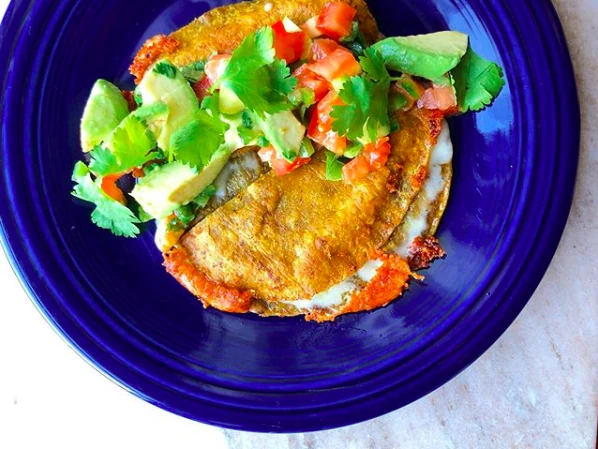
With proper storage, refrigerator thawing, and a little attention at the skillet, you can enjoy the corn flavor and satisfying texture that make these tortillas worth bringing home. Keeping a supply frozen makes that experience available for breakfast, a quick lunch, or a dinner you have been looking forward to all day.
Why fresh tortillas belong in the freezer
Our tortillas begin with organic corn. We cook and steep it with lime through the traditional process of nixtamalization, wash it, and stone-grind it into fresh masa. The masa is formed into tortillas, cooked, cooled, and packed. By the time a pack reaches your kitchen, the tortillas have already been cooked; your preparation brings them into the meal. You can learn more about these steps in our production process.
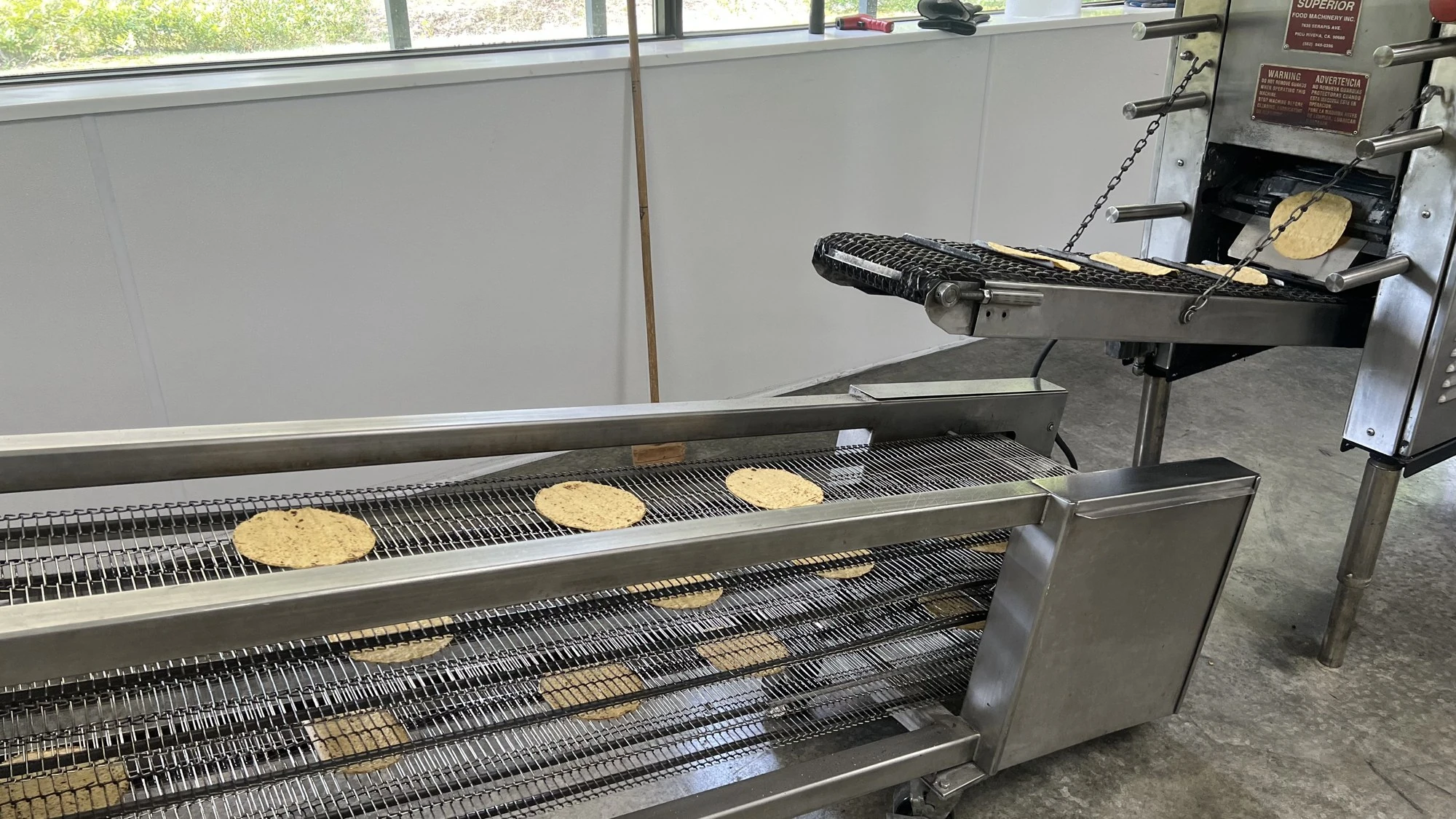
Our Original corn tortillas contain corn, slaked lime, and water, with no added preservatives. Slaked lime is the food-grade calcium hydroxide used during nixtamalization. It helps transform the corn into the masa from which the tortillas are made.
The finished food has qualities worth caring for: corn flavor, a rustic texture, and the ability to become soft and flexible when warmed or pleasantly crisp with further cooking. Freezing gives us a practical way to preserve that ingredient until it is time to use it.
Here, the purpose of frozen storage is straightforward. You are keeping a supply of freshly made tortillas available for meals you will prepare at home. Our tortillas keep in the freezer for up to one year when the package is kept tightly sealed, protecting them from drying out. A pack can wait in the freezer while you decide whether tomorrow calls for breakfast tacos, quesadillas, or a tray of enchiladas.
There is nourishment in that everyday ingredient, too. Two of our Original six-inch tortillas provide 3 grams of dietary fiber and 90 milligrams of calcium, with no added sugars. Paired with beans, vegetables, eggs, or other favorite fillings, they offer a useful starting point for a varied and satisfying meal. The complete figures are available in our Original tortilla nutrition information.
Thawing and warming your tortillas
Making this part of your routine begins with one small step ahead of the meal: move a pack from the freezer into the refrigerator.
The day before you plan to use it is a good time to do this. Leave the package sealed and allow the tortillas to thaw in the refrigerator. When you are ready to cook, take the tortillas you need, then properly reseal and refrigerate the remainder.
A thawed tortilla is ready for the next part of its preparation. Warming is what brings it to the texture you want for the table.
Corn tortillas become firmer as they cool and during storage, partly because of changes in their starch. Heating helps them become supple again. This is why giving the tortilla a brief turn on the skillet makes such a difference when you want to fold it around a filling.
For an everyday method, heat a dry skillet or comal over medium to medium-high heat. Lay a tortilla on the surface and warm it for approximately 30–60 seconds per side. Watch the tortilla as well as the time: it should be warm, flexible, and showing a few toasted spots.
If it feels dry or stiff, lightly dampen both sides with water before warming. A small amount of moisture helps it soften.
As each tortilla comes off the skillet, tuck it into a clean kitchen towel. Add the next warmed tortilla to the stack and cover it again. The towel holds warmth and a little steam, helping the tortillas stay soft while you finish preparing the meal.
That final step deserves a place in the routine. It gives you warm, flexible tortillas ready to pass around the table, fold into tacos, or fill for another dish. Our cooking guide includes additional warming methods and preparation tips.
Freezer and refrigerator storage
A few simple habits keep the rest of the pack ready for another meal:
| When | How to care for your tortillas |
|---|---|
| Keeping a reserve | Store packs tightly sealed in the freezer, for up to one year. |
| Bringing a pack into use | Thaw it in the refrigerator. |
| Opening the package | Opening starts the 21-day refrigerated clock. |
| Between meals | Keep the remaining tortillas properly packaged, sealed, and refrigerated. |
| After thawing | Do not refreeze the thawed pack. |
One tortilla, many good meals
Once this becomes familiar, the possibilities are easy to see.
A warm tortilla can hold eggs and vegetables for breakfast. The same kind of tortilla can fold around cheese for lunch, roll around beans for a shared dinner, or become a crisp base for toppings. The preparation changes with the meal you want to make.
A few of our recipes show that range:
- Smashed Boiled Egg Taco: Warm tortillas hold gently smashed eggs, softened peppers and onions, crumbled cheese, and cilantro. It is a welcoming way to bring corn tortillas to the breakfast table.
- Cheese Quesadilla: Warm the tortilla until it folds easily, add cheese, and cook until golden. A little guacamole alongside completes the meal.
- Enchiladas: Warm tortillas become pliable enough to fill and roll, then bake with beans, sauce, and cheese into a dish for sharing.
- Brussels Sprout Tostada: A tortilla cooked crisp becomes the foundation for warm black beans, bright vegetable slaw, and toppings.
Crisp tortilla strips can also finish a bowl of soup, and homemade chips offer another way to enjoy the corn flavor. Each preparation gives the ingredient a different place at the table.
You can choose the meal first and prepare the tortillas to suit it. A soft taco needs warmth and flexibility. A quesadilla adds melted filling and golden edges. A tostada calls for a crisp tortilla that supports its toppings.
A place in everyday meals
Over time, keeping tortillas on hand can become as familiar as keeping other ingredients you enjoy cooking with. There is a reserve in the freezer, a pack thawing ahead of a meal, and a refrigerated remainder ready for another use.
Perhaps tomorrow begins with eggs in a warm tortilla. Later in the week, cheese and vegetables become quesadillas. The food changes with your appetite and what is in your kitchen; the small habits that make it possible stay familiar.
Good tortillas deserve a place in everyday meals. Keep them well, give them the preparation they need, and the freezer becomes a useful part of bringing fresh food to your table.